At Hydronic & Steam Equipment, we offer a variety of education and training classes in partnership with our leading manufacturers. These programs are designed for:
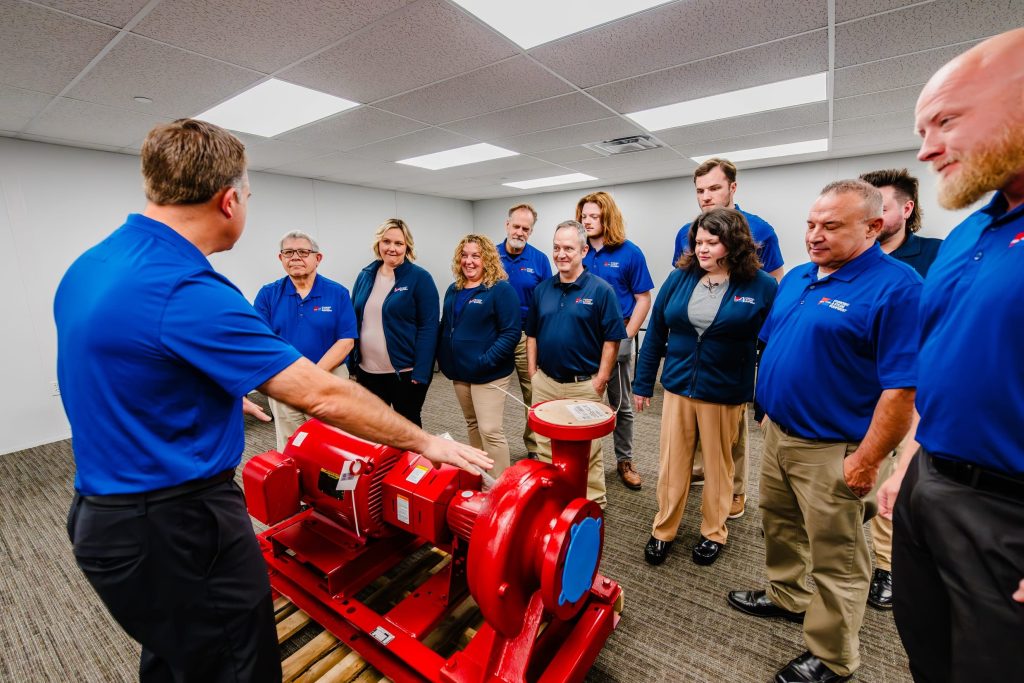
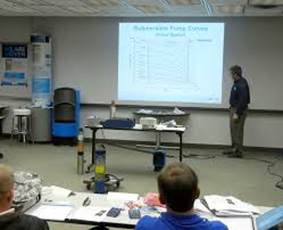
Led by highly qualified instructors with real-world experience, our sessions combine classroom learning with hands-on training to deliver practical, applicable knowledge.
Whether you’re looking to stay current with industry best practices, expand your technical skill set, or gain product-specific expertise, our training programs are built to support your professional development.
Ask us about upcoming classes or custom training for your team.
At Hydronic & Steam Equipment, we are committed to supporting our customers through educational programs and hands-on product training. Our sessions are designed to enhance knowledge, improve system performance, and ensure safe, effective operation in the field.
We also offer customized training sessions tailored to your team’s specific needs.
Led by experienced instructors and application specialists, our programs blend real-world insight with technical expertise to deliver valuable, practical education.
Bell & Gossett is recognized industry-wide as a leading authority in the design, installation, and maintenance of hydronic and steam systems. Through their renowned Little Red Schoolhouse® program, they offer expert-led education and training for:
These courses combine in-depth technical knowledge with practical application, empowering attendees to design and maintain more efficient, reliable systems.
The Little Red Schoolhouse has been a trusted educational resource for decades, helping professionals stay current with best practices and emerging technologies in the hydronics and steam space.
Hydronic & Steam Equipment is proud to support and promote these training opportunities as part of our commitment to continuing education in the industry.
A schedule and list of classes can be found at the Bell & Gossett Little Red Schoolhouse website.
The Goulds Water Technology Factory School offers expert-led training for water industry professionals, focusing on the latest advancements in commercial, residential, and agricultural water systems.
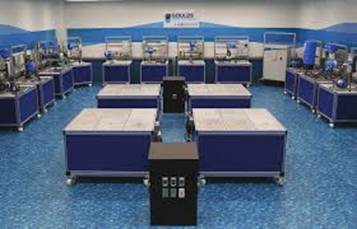
Courses are designed to provide in-depth product knowledge, application expertise, and hands-on experience with Goulds systems and technologies.
Students must enroll directly through the Goulds Water Technology website. Class schedules, course descriptions, and prerequisites are available online.
As a proud Goulds representative, Hydronic & Steam Equipment encourages our customers to take advantage of this valuable training opportunity to stay current and competitive in the field.
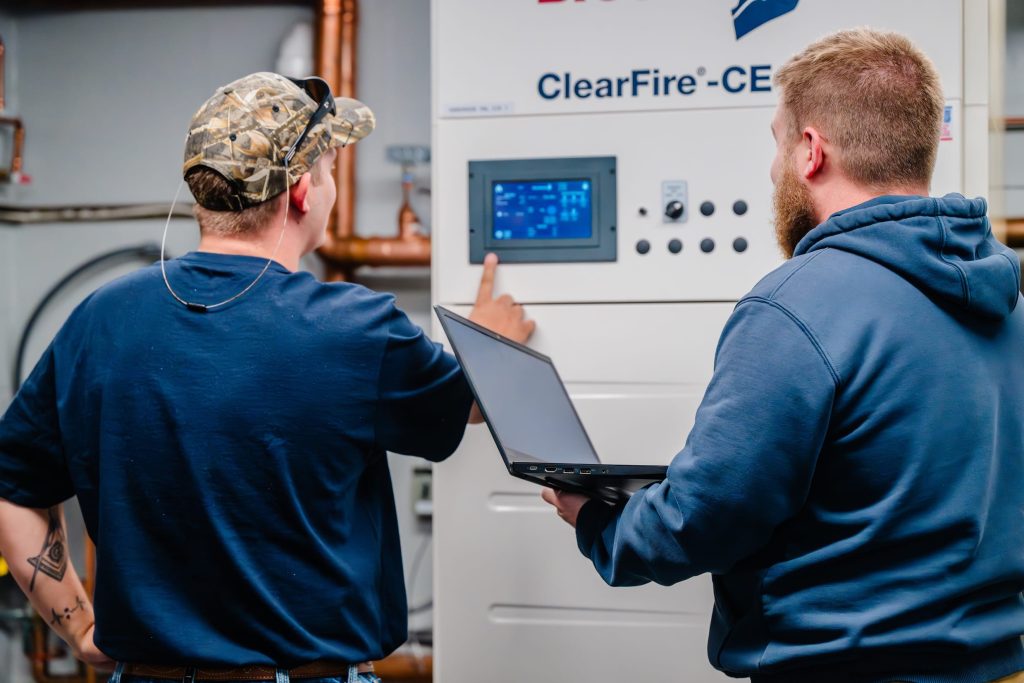
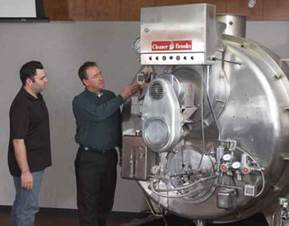
Cleaver-Brooks has a dedicated Training Department, designed to enhance knowledge and skills in boiler operation, maintenance, and system efficiency. Training options include:
These programs focus on improving energy efficiency, system reliability, safety, and environmental sustainability. Many courses offer Continuing Education Units (CEUs) to support professional development.
For the latest schedule, class list, and training brochure, please visit the Cleaver-Brooks training website.
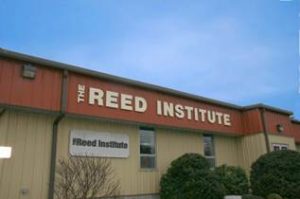
Whether you are specifying, designing, installing, or servicing hydronic or HVAC DX heating and cooling systems, The REED Institute offers specialized seminars tailored to your area of expertise.
Enhance your knowledge of the latest developments in heating and cooling technologies and applications by attending one of their complimentary educational sessions. The program includes training on RBI Water Heaters and the KN-Series boiler, featuring a wide variety of classes such as:
Each course is carefully designed to cover critical elements within specific HVAC disciplines. Attendees of the Boiler Efficiency Application Class can earn up to 8 hours of continuing education (CE) credits* to fulfill annual certification requirements.
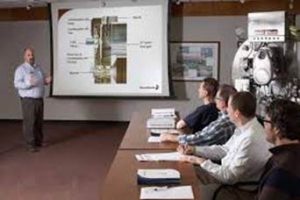
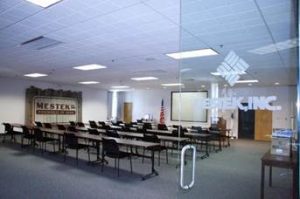
Training combines in-depth classroom instruction with live-fire laboratory exhibits in a state-of-the-art facility, providing a comprehensive and hands-on learning experience.
For a full schedule and class descriptions, please visit the Reed Institute website.